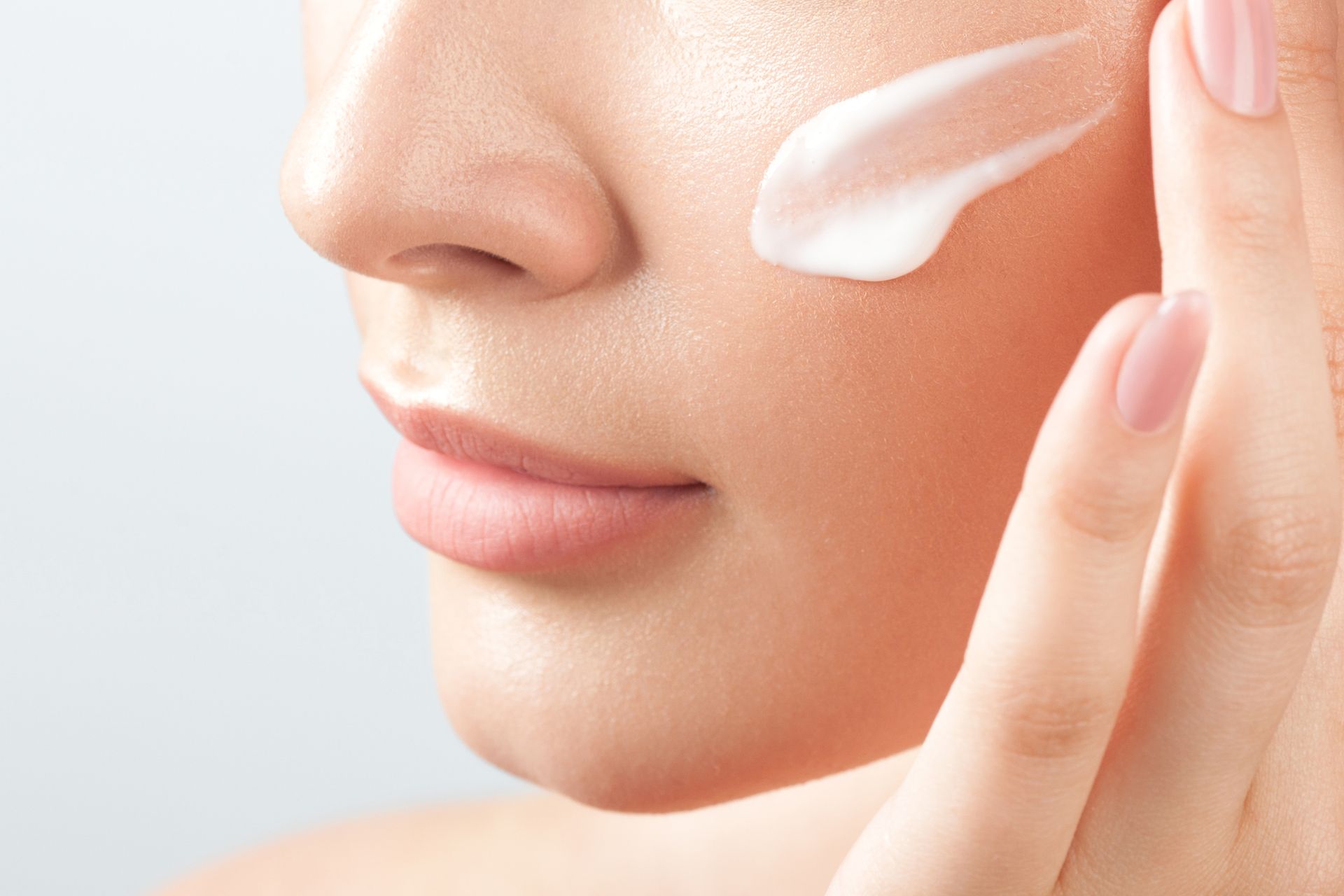

A chemical peel removes the outermost layers of damaged skin so healthier, more even skin can surface. Dr. Erdman selects the peel depth and formulation based on your actual skin — not a menu.
What a Chemical Peel Actually Does
A peel uses a carefully chosen acid solution to dissolve the bonds holding dead and damaged cells to the skin's surface. As those layers shed, the skin that replaces them is smoother, more evenly pigmented, and better positioned to respond to other treatments.
The result depends entirely on the peel depth and your skin type. A superficial peel addresses dullness and mild texture with no downtime. A medium-depth peel reaches the upper dermis to treat acne scarring, sun damage, and stubborn discoloration. That distinction matters, and it requires a clinical eye to make correctly.
What Chemical Peels Can Treat
- Uneven skin tone and post-inflammatory hyperpigmentation
- Sun damage and age spots
- Mild to moderate acne scarring
- Active acne and congested pores
- Fine lines and surface texture
- Dullness and rough skin surface
How We Choose the Right Peel for You
We use Alma IQ multi-spectral skin analysis before recommending any peel. The scan measures pigmentation depth, redness, texture, and sun damage beneath the surface — information that isn't visible to the naked eye. That data determines peel type, acid concentration, and whether a peel is the right tool at all, or whether a different treatment would produce a better outcome for your specific concern.
What to Expect Before, During, and After
Before Your Peel
Dr. Erdman reviews your skin history, current products, and any medications that affect skin sensitivity. Some patients require a pre-treatment protocol — typically a short course of a prescription-grade retinoid or hydroquinone — to prepare the skin and reduce the risk of post-peel pigmentation changes.
During the Treatment
The peel solution is applied in a controlled layer and left on for a set time. You will feel warmth and possibly mild tingling. The entire appointment typically takes 30 to 45 minutes. Peel depth determines whether a neutralizer is applied or the solution self-neutralizes.
After the Peel
Superficial peels produce mild redness for 24 to 48 hours and light flaking over three to five days. Medium-depth peels involve more visible peeling over five to seven days and require sun avoidance during healing. Dr. Erdman provides written post-care instructions and is reachable by text if questions come up during recovery.
How Chemical Peels Fit Into a Larger Skin Plan
A peel is rarely the only tool. For patients with active pigmentation concerns, we often pair a peel series with our Universkin custom-compounded serums, formulated specifically for your skin scan results. For patients with deeper scarring or significant sun damage, microneedling or laser skin resurfacing may address layers a peel cannot reach.
Dr. Erdman writes a plan — not a menu. Every recommendation is tied to your scan data and your goals.
A Physician Supervising Every Step
Dr. Erdman performs and supervises every treatment at Ageless Beauty Doctors. There is no hand-off to an esthetician for the clinical work. If a question comes up after your peel, you text the physician directly — not a front desk, not a portal.
We serve patients in Rocky River, Fairview Park, Westlake, and Avon from our location inside Salon Lofts at Westgate Mall.
Frequently Asked Questions About Chemical Peels
How many chemical peel sessions will I need?
It depends on your concern and the peel depth. A single medium-depth peel can produce meaningful improvement in sun damage or scarring. Superficial peels are typically done in a series of three to six, spaced three to four weeks apart, for cumulative results on texture and tone.Can I get a chemical peel if I have darker skin?
Yes, but the formulation and depth must be selected carefully. Certain acids carry a higher risk of post-inflammatory hyperpigmentation in deeper skin tones. Dr. Erdman accounts for Fitzpatrick skin type before selecting any peel, and the Alma IQ scan provides additional data on existing pigmentation that informs that decision.Is there downtime after a chemical peel?
Superficial peels involve minimal downtime — some redness and light flaking, typically resolved within a few days. Medium-depth peels require five to seven days of visible peeling and strict sun avoidance. We will be clear about what to expect before you book.Can a chemical peel help with acne?
Yes. Salicylic acid peels in particular are effective for active acne and congested pores. They reduce sebum, clear dead cell buildup inside the follicle, and have anti-inflammatory properties. For acne scarring left behind after breakouts clear, a deeper peel or a combination approach with microneedling may produce better results.How is a physician-supervised peel different from what I can buy at home?
Over-the-counter peels are formulated at concentrations low enough to be sold without a prescription — typically under 10 percent acid. Clinical peels use significantly higher concentrations and require controlled application to avoid burns, uneven penetration, or rebound pigmentation. The difference is the concentration, the technique, and the judgment behind the selection.